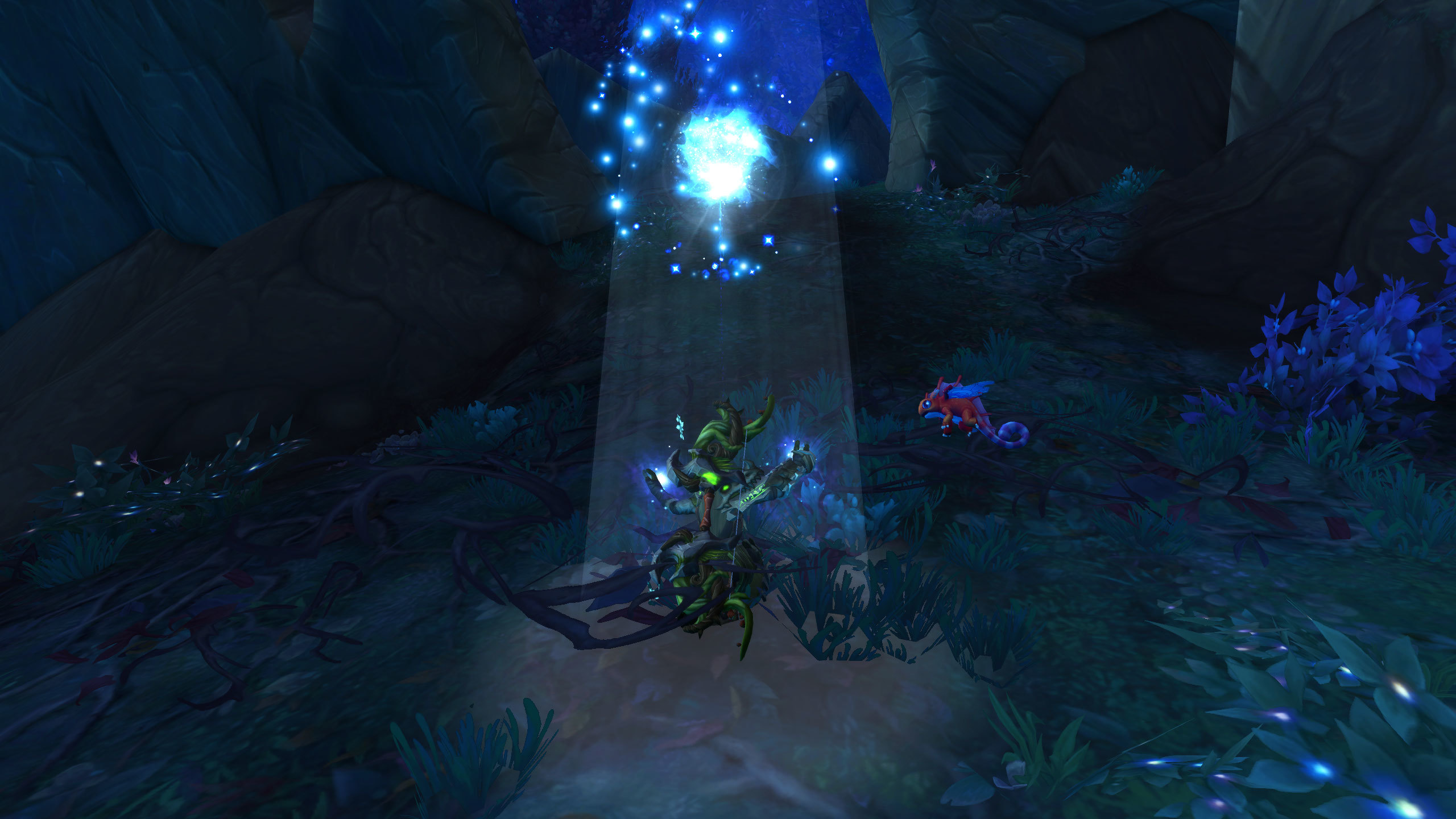
Mastering pet battles in World of Warcraft is a distinct progression path that operates independently from traditional combat systems. Rather than testing reaction speed or gear optimization, this activity emphasizes preparation, matchup knowledge, and long-term roster development. For players invested in collection, currency generation, or achievement completion, pet battles form a reliable and repeatable framework. It is the deterministic “Strategy-Layer” of Azeroth that rewards the thoughtful over the aggressive.
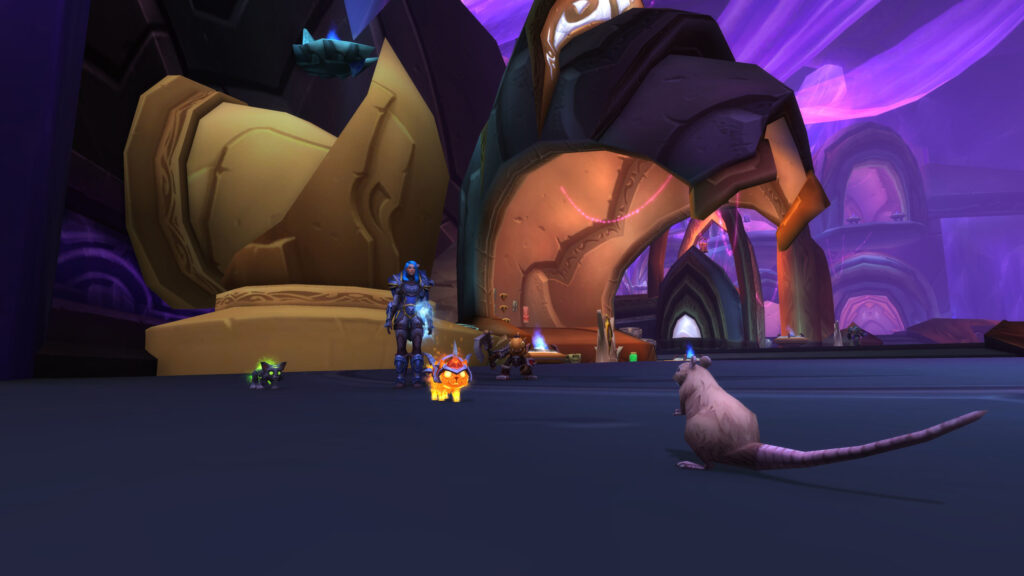
This guide examines how to approach pet battles efficiently, focusing on the logic of “Type-Synergy,” the mechanics of the “Starter Trio,” and the strategic consistency needed to build a winning roster from scratch.
The Logic of Type-Synergy
Pet battles are designed as deterministic encounters where “Type-Advantages” dictate success. Every pet belongs to one of ten families, each with a fixed strength and weakness (e.g., Mechanical beats Beast, Beast beats Critter). A successful beginner routine prioritizes learning these interactions over finding “rare” pets. By using a pet with a 50% damage bonus against your opponent, you effectively “Gear-Skip” the encounter. You stop “fighting” the enemy and start “solving” them, which is the foundation of high-level pet mastery.
Core Tactics: The “Power-Leveling” Trio and Catching Rares
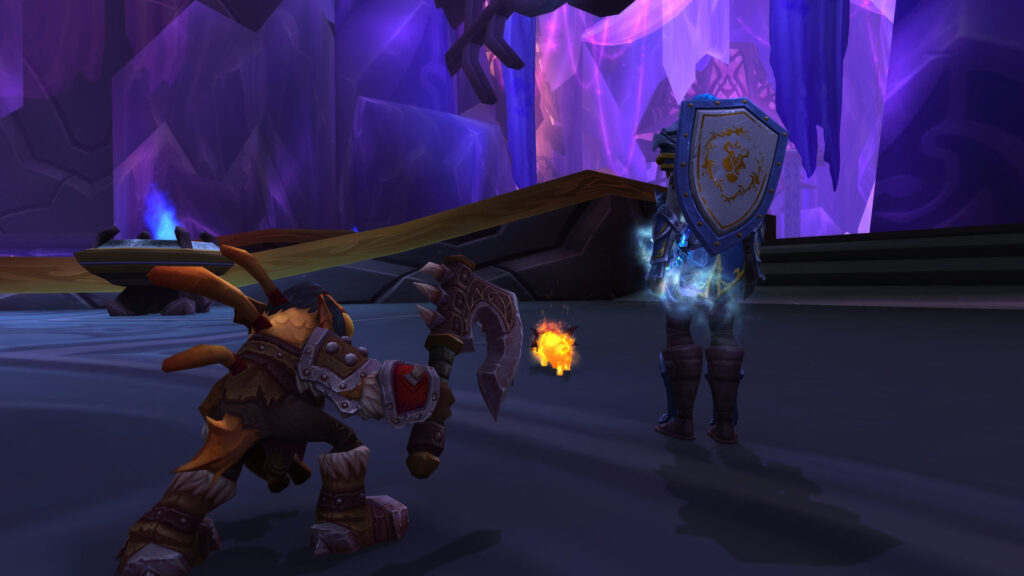
To build a functional roster quickly, you must utilize these specific “Training” habits:
- The “Starter Trio” Selection: Focus on obtaining three versatile pets—typically an Anubisath Idol (Humanoid), a mechanical dragonling (Mechanical), and a moth (Flying). This deterministic trio can clear 80% of world trainers. Mastery of these three pets allows you to “Carry” lower-level pets through fights, accelerating your total roster growth.
- The “Rare-Check” Discipline: When you encounter a wild pet, check its quality (Poor to Rare) before the fight ends. Use an addon like “PetTracker” to see this data instantly. A successful collector never wastes a “Trap” on a common pet. By only catching Rares, you ensure your team’s baseline stats are optimized for future progression.
- World Quest Integration: Treat pet battle world quests as “Administrative Gold-Mines.” These encounters follow fixed ability patterns. Once you understand a trainer’s sequence, the win becomes repeatable with zero variance. This regularity enables you to integrate them into your daily routine without uncertainty.
Managing the “Collection-Fatigue” Bottleneck
The biggest challenge for beginners is the sheer volume of available pets. To counter this, your routine should include “Functional Clustering.” Do not try to catch every cat in the game. Instead, focus on obtaining one strong representative for each of the ten families. A veteran battler knows that a small collection of well-leveled, mechanically reliable pets often outperforms a large but unfocused collection. By narrowing your focus, you achieve “Competitive Readiness” in a fraction of the time.
Conclusion: Strategic Satisfaction in the Smallest Duels
Pet battles reward the organized and the analytical player. By prioritizing type-matchups and building a specialized starter trio, you nullify the intimidation of the massive collection list. Integrating these strategy habits into your routine ensures that your “Pet Stash” provides a steady stream of rewards and achievements, providing a stable path to high-level mastery through superior tactical preparation.